
TL;DR
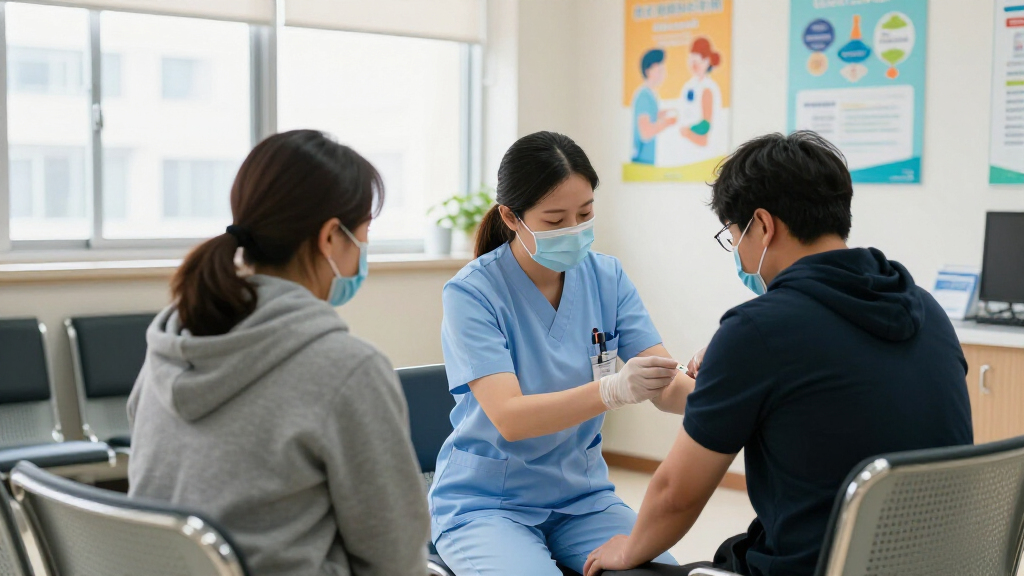
Flu cases in Seoul have increased to three times the normal level. The city will start offering free vaccinations from March 21 to curb the outbreak. The situation remains dynamic, with ongoing assessments needed.
Seoul will start offering free influenza vaccinations on March 21 following a reported surge in flu cases, which have now tripled the usual seasonal levels, according to local health authorities. This development underscores an urgent public health response to a rapidly worsening outbreak, impacting residents and healthcare planning.

Turn your wind-down time into listening time
- Thousands of audiobooks, podcasts and originals
- Listen on your phone, tablet or Echo — also offline
- Cancel anytime
Implications of the Flu Surge for Seoul’s Public Health System
The tripling of flu cases in Seoul presents a significant challenge for the city’s healthcare infrastructure, risking hospital overload and increased mortality among vulnerable populations. The move to offer free vaccinations aims to mitigate these impacts by increasing immunization coverage. This situation highlights the importance of timely vaccination campaigns and public health preparedness, especially as flu seasons become increasingly unpredictable due to changing climate and viral evolution. The surge also raises concerns about potential wider outbreaks in neighboring regions if containment measures are delayed or ineffective. For residents, the vaccination campaign offers a crucial opportunity to protect themselves and reduce the overall disease burden. For policymakers, the outbreak underscores the need for ongoing surveillance and rapid response strategies to prevent similar spikes in future seasons.
Popular right now

Ninja Crispi Microwave and Air Fryer with FusionCrisp, Silver, MW101

Philips 3300 Series Fully Automatic Espresso Machine with LatteGo

Dyson V8 Cyclone Cordless Vacuum
As an affiliate, we earn on qualifying purchases.
Recent Trends and Historical Flu Patterns in Seoul
Seasonal influenza in Seoul typically peaks between late winter and early spring, with case numbers generally remaining within manageable levels. However, health authorities have observed a notable increase in recent weeks, with reports indicating that the current number of flu infections has now tripled the seasonal average, according to data from the Korea Disease Control and Prevention Agency. Past outbreaks have sometimes seen similar surges, often linked to particular viral strains or lapses in vaccination coverage. The current spike is under investigation, but experts suggest that factors such as delayed vaccination efforts, the emergence of a more aggressive flu strain, or lower-than-usual vaccine uptake could be contributing. Historically, Seoul has responded to such surges with increased vaccination campaigns and public health messaging, which appear to be the strategy this season as well. The upcoming vaccination drive is part of a broader effort to prevent severe illness and reduce healthcare system strain during this peak period.
Uncertain Causes and Future Course of the Outbreak
It is not yet clear what specific factors have contributed most to the tripling of flu cases, and ongoing investigations are assessing whether a new viral strain is involved or if vaccination delays played a role. The full extent of the outbreak’s progression over the coming weeks remains uncertain, as does the effectiveness of the upcoming vaccination campaign in curbing the surge. Experts warn that if the situation worsens or new strains emerge, additional measures may be required. It is also unclear how long the elevated case levels will persist and whether similar spikes will occur in neighboring regions or other parts of South Korea.
Next Steps in Seoul’s Flu Response Strategy
Following the announcement, Seoul’s health authorities will monitor the impact of the free vaccination campaign, which begins March 21. They aim to vaccinate as many residents as possible, prioritizing high-risk groups. The city will also continue surveillance of flu activity, adjusting public health measures as needed. Officials plan to provide updates on case numbers and vaccination coverage throughout the season. Additionally, public health messaging will be reinforced to encourage vaccination and other preventive measures such as hand hygiene and mask-wearing. Researchers and officials will evaluate the outbreak’s progression and consider whether additional interventions are necessary to prevent further escalation.
Key Questions
Why are flu cases in Seoul so high this season?
The exact reasons are still under investigation, but possible factors include a more aggressive flu strain, delayed vaccination efforts, and changing weather conditions affecting virus transmission.
Who is eligible for the free vaccination program?
The program is available to all residents of Seoul, with priority given to high-risk groups such as the elderly, pregnant women, and individuals with chronic illnesses.
How can I get vaccinated?
Residents can visit designated clinics across Seoul starting March 21. Details on locations and operating hours will be provided by local health authorities.
Will the vaccination campaign be enough to control the outbreak?
While vaccination is a key tool, officials emphasize that it should be complemented by personal preventive measures. The effectiveness of the campaign will be assessed over the coming weeks.
Are there any other measures being taken besides vaccination?
Yes, Seoul is also promoting public health campaigns on hygiene, encouraging sick residents to stay home, and monitoring hospital capacity to manage potential surges.
Source: local