
Concern trolling disguises itself as genuine help to subtly manipulate you and gain control over your perceptions. It typically involves acting caring while subtly undermining your confidence, often by framing criticisms as helpful advice. Recognize patterns where comments target vulnerabilities or aim to influence your decisions. By staying alert to these tactics, you can protect your autonomy. If you keep exploring, you’ll learn how to spot and counteract these subtle forms of manipulation effectively.
Key Takeaways
- Concern trolling disguises manipulation as genuine care to influence opinions and undermine confidence.
- It uses subtle, caring language to sway perceptions while hiding controlling intentions.
- Recognizing patterns of undermining or dismissing opinions helps identify fake help.
- Staying skeptical of motives behind seemingly helpful advice protects against covert control.
- Awareness of manipulation tactics empowers individuals to maintain autonomy and resist influence.

Concern trolling is a manipulative tactic where someone pretends to care about your well-being or opinions, but their real goal is to undermine or discredit you. It’s a subtle form of influence that exploits your trust, making you question yourself while they maintain the appearance of genuine concern. By feigning kindness or worry, the concern troll uses social influence to steer conversations and decisions in their favor. They craft their messages carefully, blending ethical manipulation with a veneer of care, which makes their tactics harder to recognize.
In essence, concern trolling relies on the illusion that they’re offering help or advice. They might say things like, “I’m just worried about you,” or “You know I only want what’s best for you,” but their underlying intention is to weaken your confidence or sideline your viewpoint. This approach leverages social influence in a way that feels natural and caring, making it difficult for you to see their true motives. Because they appear empathetic, you’re more likely to accept their viewpoints or second-guess your own. It’s a calculated move rooted in the subtle art of psychological manipulation.
This tactic often targets sensitive topics or areas where you’re vulnerable, knowing that your emotional investment may cloud your judgment. Concern trolls might use ethical manipulation by framing their comments as concern for your well-being, which makes their influence seem morally acceptable. They understand that appealing to your sense of morality and empathy makes their social influence more effective. By positioning themselves as allies, they gain access to your trust, which they then exploit to push their agenda. Recognizing the importance of color accuracy in your perceptions and overall experience can help you identify when someone is attempting to influence you under false pretenses.
You need to be aware that concern trolling isn’t about genuine concern; it’s a strategy to control the narrative and manipulate your perceptions. Recognizing the signs involves paying attention to patterns—are their comments consistently undermining your confidence or dismissing your opinions under the guise of care? Are they framing their criticisms as helpful advice? Being alert to these cues helps you differentiate between sincere concern and calculated social influence aimed at destabilizing your stance.
Ultimately, understanding concern trolling means seeing through the layers of ethical manipulation. It teaches you to question motives behind seemingly caring words and to defend your autonomy against subtle forms of influence. While it’s tempting to accept well-meaning-sounding advice, remember that not every act of concern is genuine. Staying aware allows you to protect yourself from those who seek to manipulate your feelings and control your decisions through feigned empathy.
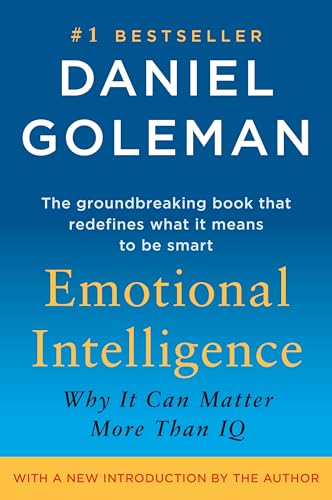
Emotional Intelligence: Why It Can Matter More Than IQ
As an affiliate, we earn on qualifying purchases.
As an affiliate, we earn on qualifying purchases.
Frequently Asked Questions
How Can I Identify Concern Trolling Early?
You can spot concern trolling early by paying attention to emotional manipulation tactics and social engineering. If someone’s comments seem overly insincere, exaggerated, or designed to provoke guilt or doubt, they might be concern trolling. Look for patterns where the person offers help but subtly undermines your confidence or pushes for control. Trust your instincts and question motives, especially if their concern feels more like manipulation than genuine support.
What Psychological Tactics Do Concern Trolls Use?
Concern trolls often use manipulation techniques like emotional appeals to gain your trust and distract you from their true intent. They may play on your fears or empathy, making their false help seem genuine. By subtly shifting your focus and appealing to your feelings, they create a sense of obligation or guilt. Recognizing these tactics helps you stay alert and avoid falling for their emotional traps.
Are There Legal Implications for Concern Trolling?
You should know that concern trolling can have legal ramifications if it involves defamation, harassment, or malicious falsehoods. While generally not illegal, manipulating or misleading others raises ethical considerations, especially if it causes harm or spreads false information. You need to be aware of the potential legal consequences and ethical issues, as authorities could pursue action if concern trolling crosses into illegal activity or causes significant harm.
How Does Concern Trolling Differ From Genuine Feedback?
You might think it’s just genuine feedback, but concern trolling hides emotional manipulation behind a caring tone. Unlike real feedback, concern trolling often uses tone policing to appear helpful while secretly undermining you. It creates confusion, making you question your judgment. So, the key difference is intent—genuine feedback aims to support, whereas concern trolling disguises control as concern, making you second-guess yourself while the troll stays in the shadows.
Can Concern Trolling Be Automated or Detected Online?
Yes, concern trolling can be automated or detected online. You can use bot detection tools to identify suspicious behavior, like repetitive phrases or inconsistent patterns, which often indicate online manipulation. Automated systems analyze comments for signs of concern trolling, helping you spot fake help disguised as genuine feedback. Staying vigilant and employing these detection methods allows you to better protect your online community from manipulative tactics.

Headway Self-Awareness Guided Journal for Women, Daily Self-Care Planner with Prompts, Motivation Gratitude & Mental Health Journal, Leather Soft Cover Mindfulness Habit Tracker, 8.2" x 6.5", Orange
- Daily Self-Care Companion: Reduce stress and organize thoughts daily
- Guided Prompts Included: Check-ins, gratitude, and affirmations
- Durable and Long-lasting: Habit tracker and planner for stability
As an affiliate, we earn on qualifying purchases.
As an affiliate, we earn on qualifying purchases.
Conclusion
So, next time someone offers “help” that feels more like a trap, remember it’s often a wolf in sheep’s clothing. Like a puppeteer pulling strings behind the curtain, concern trolls manipulate your trust to tighten their grip. Stay alert, question motives, and don’t let fake concern steer your choices. By spotting the disguise, you keep your freedom intact—your life’s your ship, not theirs to commandeer. Trust your instincts and steer true.
conflict resolution training courses
As an affiliate, we earn on qualifying purchases.
As an affiliate, we earn on qualifying purchases.
psychological manipulation guide
As an affiliate, we earn on qualifying purchases.
As an affiliate, we earn on qualifying purchases.