
TL;DR
West Virginia health authorities have confirmed a cyclosporiasis outbreak affecting multiple counties. The outbreak is linked to contaminated fresh produce, prompting warnings and ongoing investigations. This development raises concerns about food safety and public health responses.
West Virginia health officials have confirmed a cyclosporiasis outbreak affecting residents across several counties. The outbreak is linked to contaminated fresh produce, prompting public health warnings and investigations. This is the first confirmed outbreak of its kind in the state this year, highlighting ongoing food safety concerns.
The West Virginia Department of Health and Human Resources (DHHR) announced on March 15, 2024, that at least 25 cases of cyclosporiasis have been confirmed across five counties. The affected individuals reported symptoms including diarrhea, stomach cramps, and fatigue, consistent with the parasitic infection caused by Cyclospora cayetanensis. Officials stated that preliminary investigations suggest contamination from imported produce, though the exact source remains under review.
Public health advisories have been issued urging residents to avoid consuming certain fresh produce items, particularly pre-packaged salads and berries, until further notice. No deaths have been reported, but several patients have required medical treatment. The CDC and local health departments are collaborating to trace the contamination source, which could involve food distribution networks or retail outlets.
Implications for Food Safety and Public Health
This outbreak underscores the ongoing risks associated with imported produce and the importance of food safety protocols. Cyclosporiasis is a parasitic infection that can cause severe gastrointestinal illness, especially in vulnerable populations. The incident highlights the need for stringent inspection and monitoring of fresh produce imports, as well as public awareness about food handling and hygiene.
For residents, the outbreak raises concerns about the safety of the food supply chain and the potential for similar incidents elsewhere. Public health agencies emphasize the importance of early detection and response to prevent wider spread and protect at-risk groups, including immunocompromised individuals and the elderly.

SWIFTLITE Disposable Vinyl Gloves, Food Safe
- Latex-Free and Safe: Suitable for latex allergy sufferers
- Food Grade Material: Made from non-toxic PVC, heat and cold resistant
- Enhanced Dexterity and Grip: Loose fit, soft touch, waterproof for easy handling
As an affiliate, we earn on qualifying purchases.
As an affiliate, we earn on qualifying purchases.
Previous Cyclosporiasis Incidents and Food Safety Measures
Cyclosporiasis outbreaks have occurred periodically in the United States, often linked to imported produce such as berries, lettuce, and herbs. Notably, the CDC reported a significant outbreak in 2022 associated with contaminated basil, prompting increased scrutiny of produce imports and stricter food safety standards. West Virginia has experienced isolated cases before, but this is the first confirmed multi-county outbreak this year.
Federal and state agencies have been working to improve detection and prevention measures, including enhanced inspection protocols and public education campaigns. The outbreak in West Virginia indicates that these efforts need continued reinforcement, especially in light of increasing global food trade.
“We are actively investigating the source of this outbreak and advising residents to avoid certain fresh produce until further notice.”
— Dr. Emily Carter, West Virginia DHHR spokesperson

Purepod Produce Cleaner – Portable OH-ion Fruit & Vegetable Washer, Deep Cleans Produce, Meat & Seafood in 10 Minutes, No Scrubbing, IPX7 Waterproof, for Home, Travel & Outdoor
- Fast Produce Cleaning: Cleans in just 10 minutes
- OH-Ion Purification Technology: Decomposes pesticides and microbes
- No Scrubbing Needed: Easy, hands-free cleaning process
As an affiliate, we earn on qualifying purchases.
As an affiliate, we earn on qualifying purchases.
Details of the Contamination Source Still Under Investigation
While authorities have linked the outbreak to contaminated produce, the specific source—such as a particular farm, distributor, or retail chain—has not yet been identified. It remains unclear whether the contamination occurred during growing, harvesting, or distribution stages. Additionally, the extent of the outbreak beyond the confirmed cases is still being assessed, and it is possible that more cases will be reported as investigations continue.
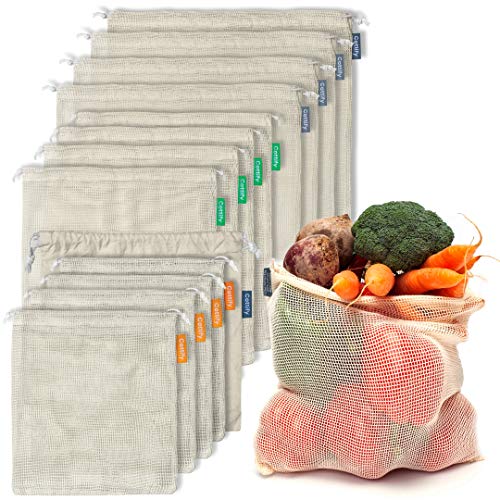
12+1 Reusable Produce Bags Grocery Washable, Organic Cotton Mesh Produce Bags, Double-Stitched & Tare Weigh, Mesh bags for vegetables, Cotton Produce Bags Reusable Washable, Produce bag 4xS, 4xM, 4xL
- Lightweight and Durable: Made from high-grade organic cotton, carries 20+ lbs
- Eco-Friendly and Reusable: Biodegradable, zero waste, withstands hundreds of uses
- Portable and Organized: Color-coded, drawstring closure, tare weight labels
As an affiliate, we earn on qualifying purchases.
As an affiliate, we earn on qualifying purchases.
Ongoing Investigation and Public Advisories Expected
Health officials will continue tracing the source of contamination and expanding testing of produce suppliers. Additional cases may be identified as surveillance intensifies. Public health agencies are expected to update advisories, possibly including recalls or further restrictions on specific produce items. Residents are advised to stay informed through official channels and follow recommended precautions.

FOOD BORNE DISEASES AND ITS PREVENTION
As an affiliate, we earn on qualifying purchases.
As an affiliate, we earn on qualifying purchases.
Key Questions
What is cyclosporiasis?
Cyclosporiasis is an intestinal infection caused by the parasite Cyclospora cayetanensis. It leads to symptoms like diarrhea, stomach cramps, and fatigue, and is typically contracted through contaminated food or water.
Which foods are linked to the outbreak?
Preliminary investigations suggest that contaminated fresh produce, including pre-packaged salads and berries, may be involved. Officials are still working to confirm the exact sources.
How can I protect myself?
Residents are advised to wash all produce thoroughly, avoid consuming unwashed or pre-packaged salads, and stay informed via official health advisories. If experiencing symptoms, consult a healthcare provider promptly.
Is this outbreak likely to spread further?
It is uncertain at this stage. Authorities are actively investigating, and additional cases could be identified as the source is traced. Continued vigilance and food safety measures are essential.
Source: google-trends