
TL;DR
Researchers analyzed 4,000-year-old Sumerian bitumen composites, discovering they followed standardized recipes for waterproofing, bonding, and trade. These formulations resemble modern asphalt techniques, indicating advanced engineering skills.
New scientific analysis of 4,000-year-old Sumerian bitumen composites demonstrates that ancient craftsmen used deliberate, standardized recipes resembling modern asphalt formulations, highlighting their advanced engineering knowledge and technological sophistication.
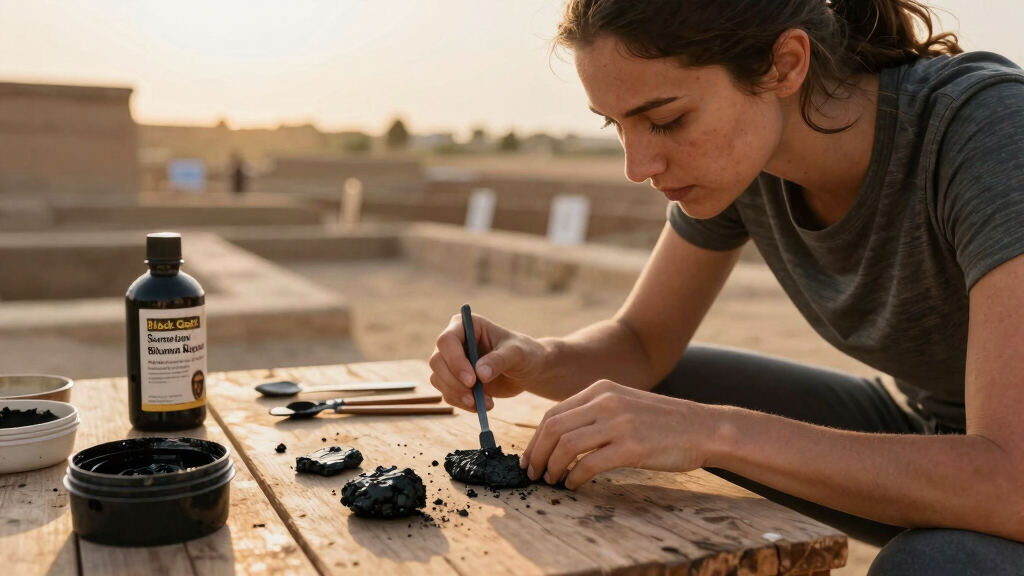
Researchers examined 59 archaeological samples of Sumerian bitumen composites from Abu Tbeirah in southern Iraq, focusing on microscopic features such as pores, plant fibers, and mineral inclusions. These features revealed distinct formulations tailored for different functions, such as waterproofing, adhesion, and structural reinforcement.
The study identified that some composites were fiber-rich to improve toughness, while others were mineral-heavy for stability. Notably, certain samples appeared to be semi-finished blocks that could be reheated and reused, indicating an early recycling economy. The deliberate inclusion of plant fibers and mineral fragments suggests that these recipes were controlled and planned, not accidental contamination.
Implications of Standardized Bitumen Formulations in Sumerian Technology
This discovery challenges the view of ancient bitumen as a simple natural resource, instead framing it as a managed, engineered material. The identification of repeatable recipes indicates that Sumerian craftsmen possessed a sophisticated understanding of material science, comparable to modern asphalt technology. This insight enhances our understanding of how Sumer’s infrastructure—such as flood defenses, water management systems, and trade goods—was built and maintained with advanced engineering practices.
Furthermore, the findings suggest that knowledge of these formulations was likely shared across craft traditions and passed down through generations, contributing to the development of complex urban societies in Mesopotamia. It underscores the importance of material technology in supporting the growth of Sumerian civilization and its extensive trade networks.

Road Rescue Black Asphalt Repair 50 lb.
- Easy to Apply: No tools or mixing needed
- Durable and Long-Lasting: Resists heavy traffic and weather
- Versatile Use: For driveways, parking lots, walkways
As an affiliate, we earn on qualifying purchases.
As an affiliate, we earn on qualifying purchases.
Sumerian Use of Bitumen and Its Engineering Significance
Bitumen naturally seeped along the Tigris and Euphrates rivers, making it a readily available resource for Sumerian builders and artisans. Historically, it was used for waterproofing boats, sealing bricks, and fixing decorative inlays. Prior to this study, it was understood that Sumerians used bitumen as a raw material, but the extent of their technological control remained unclear.
The new research shows that Sumerian craftsmen manipulated bitumen formulations, creating specific recipes for different purposes. This reflects a level of technological sophistication that aligns with their architectural achievements, such as mudbrick structures and water management systems, which depended heavily on durable, waterproof materials.
“The microscopic analysis indicates that Sumerians deliberately engineered their bitumen composites, using specific fillers and formulations tailored to particular functions.”
— an anonymous researcher

ProCare Premium Masonry and Wood Floor Sealer – Outdoor Waterproof Protectant for Concrete, Stone, Exterior Wood, Brick, Stucco – Weatherproof Clear Silicone Sealant – Made in The USA (1 Gallon)
- Weatherproof Protection: Protects against extreme weather conditions
- Long-Lasting Transparency: Dries clear, maintains natural look
- Made in the USA: Manufactured with quality standards
As an affiliate, we earn on qualifying purchases.
As an affiliate, we earn on qualifying purchases.
Unanswered Questions About Sumerian Bitumen Technology
While the study reveals deliberate formulations, it remains unclear how widespread this practice was across Sumerian cities or how knowledge of these recipes was transmitted among craftsmen. The exact methods used to produce and refine these composites, as well as the full extent of their applications, are still being investigated.
Additionally, the degree to which these recipes were standardized or varied over time and regions has yet to be determined, leaving open questions about the sophistication and consistency of ancient engineering practices.

BXI SBS Modified Bitumen Waterproofing Membrane Roll, 13 Inch x 8.2 Feet Thick Flexible Torch-on Asphalt Roofing Material, Self-Healing Flashing Sealant Outdoor Roof Foundation Ice and Water Shield
- Product Size: 13 in x 8.2 ft roll
- Material Type: High-quality SBS polymer bitumen
- Waterproofing & Sealing: Dual waterproofing with self-healing feature
As an affiliate, we earn on qualifying purchases.
As an affiliate, we earn on qualifying purchases.
Future Research Directions on Ancient Mesopotamian Materials
Researchers plan to analyze additional samples from other Sumerian sites to assess the variability and standardization of bitumen recipes. Further chemical and microscopic studies aim to uncover the production techniques and the transmission of technological knowledge among ancient craftsmen. Excavations and contextual analysis of related artifacts may also shed light on how these materials supported Sumerian urban development and trade networks.

Edward Tools Paint Mixer Drill Attachment – Helix Mixer for 1 Gallon of Paint Epoxy, Resin, Silicone – Consistent Even Flow Stirrer Paddle – Works with all 3/8” and larger drills (1)
- Fast Mixing Design: Ensures faster, consistent mixing
- Universal Fit: Compatible with all 3/8” and larger drills
- Reusable and Easy to Clean: Durable metal and plastic surfaces for quick cleaning
As an affiliate, we earn on qualifying purchases.
As an affiliate, we earn on qualifying purchases.
Key Questions
How did Sumerians produce their bitumen composites?
While exact methods are still under study, microscopic analysis suggests they mixed natural bitumen with deliberate additives like plant fibers and minerals, possibly reheating and reworking the material to achieve desired properties.
What functions did these bitumen recipes serve?
They were used for waterproofing boats and buildings, bonding and fixing decorative inlays, and creating standardized blocks for construction and trade.
Does this mean Sumerians had early asphalt technology?
Yes, the findings indicate that they used controlled, recipe-based formulations similar to modern asphalt, reflecting advanced material engineering skills.
Are these recipes still preserved or documented?
No, the recipes were not written down; they are inferred from microscopic analysis of archaeological samples, revealing deliberate compositional choices.
How does this change our understanding of Sumerian innovation?
It highlights their sophisticated engineering and material management, showing that they engineered their resources rather than simply utilizing natural deposits.
Source: Ancient Origins