
TL;DR

Turn your wind-down time into listening time
- Thousands of audiobooks, podcasts and originals
- Listen on your phone, tablet or Echo — also offline
- Cancel anytime
New York State has passed a bill replacing traditional family terms such as ‘mother’ and ‘father’ with gender-neutral language. The legislation, sponsored by Democratic lawmakers, aims to align family law with modern definitions but has faced criticism from Republicans and some Democrats. The bill now awaits Governor Hochul’s signature.
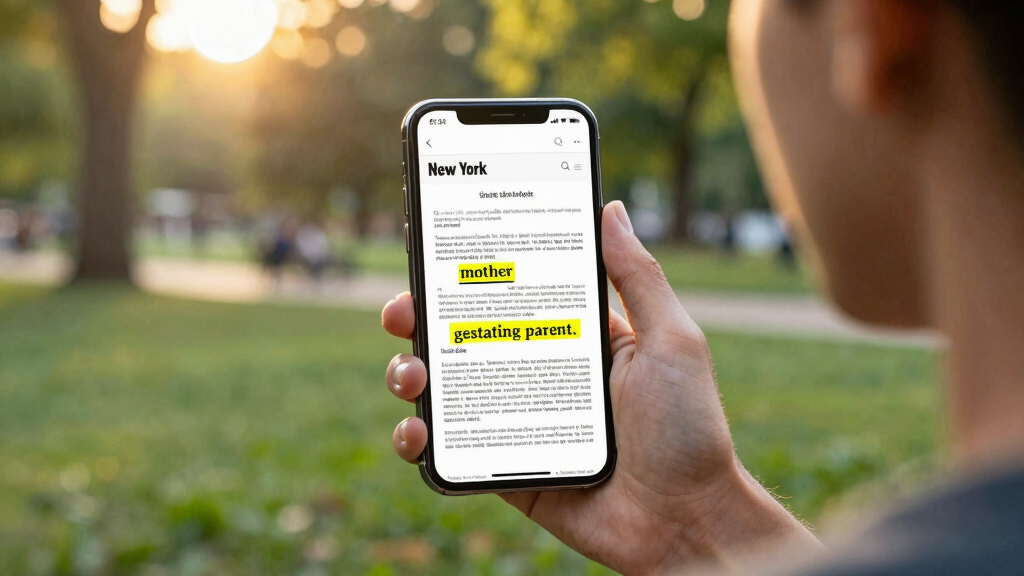
New York State has enacted legislation that replaces the terms ‘mother’ and ‘father’ with ‘gestating parent’ and ‘non-gestating parent’ in family court and related laws, a move that has sparked widespread political debate.
The bill, sponsored by State Senator Luis Sepulveda and Assemblywoman Amy Paulin, was passed by the state legislature this week and is now pending approval from Governor Kathy Hochul. It aims to update legal terminology to be gender-neutral, reflecting changes in family structures, including same-sex couples and surrogacy arrangements. The legislation modifies references in custody, paternity, and parentage cases, replacing ‘mother’ and ‘father’ with broader terms such as ‘gestating parent’ and ‘non-gestating parent,’ and changing ‘paternity’ proceedings to ‘parentage’ cases.
The bill also redefines ‘putative father’ as ‘alleged parent’ in official records. It was introduced amid a broader push by Democrats in New York to incorporate gender-neutral language into state laws, including a 2023 mandate requiring laws to use inclusive pronouns like ‘they’ and ‘them.’
Why It Matters
This legislation represents a significant shift in legal language, aiming to recognize diverse family arrangements and modern definitions of parenthood. However, it has drawn criticism from Republicans and some Democrats, who argue it is unnecessary and distracts from pressing issues like cost of living and public safety. Critics also suggest the change could cause confusion or be viewed as symbolic over substantive policy.
The move highlights ongoing cultural debates over gender, identity, and the role of language in law, with potential implications for legal practices and societal perceptions of family structures in New York.
As an affiliate, we earn on qualifying purchases.
Background
New York has been progressively adopting gender-neutral language in law; in 2023, the state required laws to include inclusive pronouns. The current bill continues this trend, aiming to modernize family law terminology. The legislation comes after delays in passing the state budget and amid a broader political climate of cultural change. The bill’s sponsors argue it aligns law with current social realities, while opponents see it as unnecessary political correctness.
“This bill is not a mother and father thing. It’s a stupidity thing.”
— Assemblyman Sam Pirozzolo
“I’ll take a look at it. This has been my practice for five years.”
— Governor Kathy Hochul
As an affiliate, we earn on qualifying purchases.
What Remains Unclear
It remains unclear whether Governor Hochul will sign the bill into law or veto it. The potential legal and societal impacts of the terminology change are also still being evaluated, and how it will affect family court proceedings is not yet known.
surrogacy and family law legal books
As an affiliate, we earn on qualifying purchases.
As an affiliate, we earn on qualifying purchases.
What’s Next
The bill is expected to be signed into law by Governor Hochul in the coming weeks. Once enacted, legal practitioners and families will adapt to the new terminology, and potential legal challenges or debates over its implications may follow. Monitoring public and political reactions will be key in the near future.
As an affiliate, we earn on qualifying purchases.
Key Questions
What exactly does the bill change?
The bill replaces terms like ‘mother,’ ‘father,’ and ‘paternity’ with gender-neutral language such as ‘gestating parent,’ ‘non-gestating parent,’ and ‘parentage’ in family law and related legal proceedings.
Why was this legislation introduced?
Proponents say it modernizes the law to reflect current family structures, including same-sex couples and surrogacy arrangements, aligning legal terminology with societal changes.
What are the main criticisms of the bill?
Critics argue it is unnecessary, symbolic, and distracts from more pressing issues. Some also believe it could cause confusion or be viewed as political correctness run amok.
Will the governor sign the bill?
The governor has not yet publicly indicated her position. The bill currently awaits her signature or veto, which is expected in the coming weeks.
Source: Google Trends
Fall Picks
fall essentials
As an affiliate, we earn on qualifying purchases.