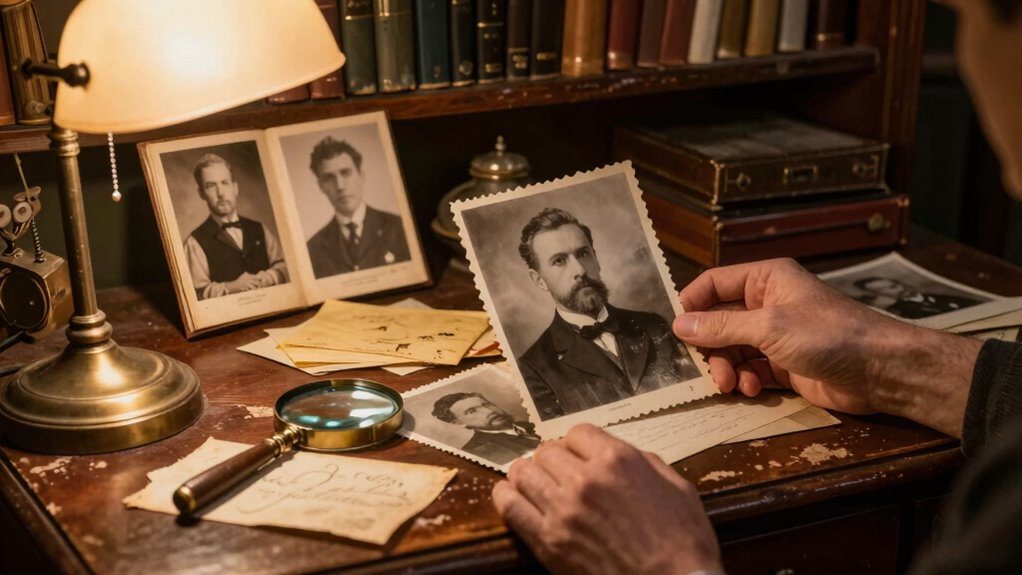

When you take on the role of family historian because no one else is willing to tell the truth, you become the guardian of real stories—both the comfortable and the difficult. You’ll need to balance honesty with sensitivity, verifying oral histories and handling uncomfortable truths responsibly. Your role can reshape how your family understands its past and identity. If you keep exploring, you’ll discover how to navigate these complex responsibilities with integrity and compassion.
Key Takeaways
- Embrace your role as a guardian of accurate stories, balancing honesty with sensitivity to family dynamics.
- Verify oral histories with documentation to establish credibility and reduce reliance on potentially exaggerated memories.
- Approach family secrets and uncomfortable truths with compassion, fostering trust and understanding in your storytelling.
- Practice ethical research by respecting privacy, cultural contexts, and acknowledging biases in family narratives.
- Recognize your influence on future generations’ identity, committing to transparency and preserving authentic family legacies.
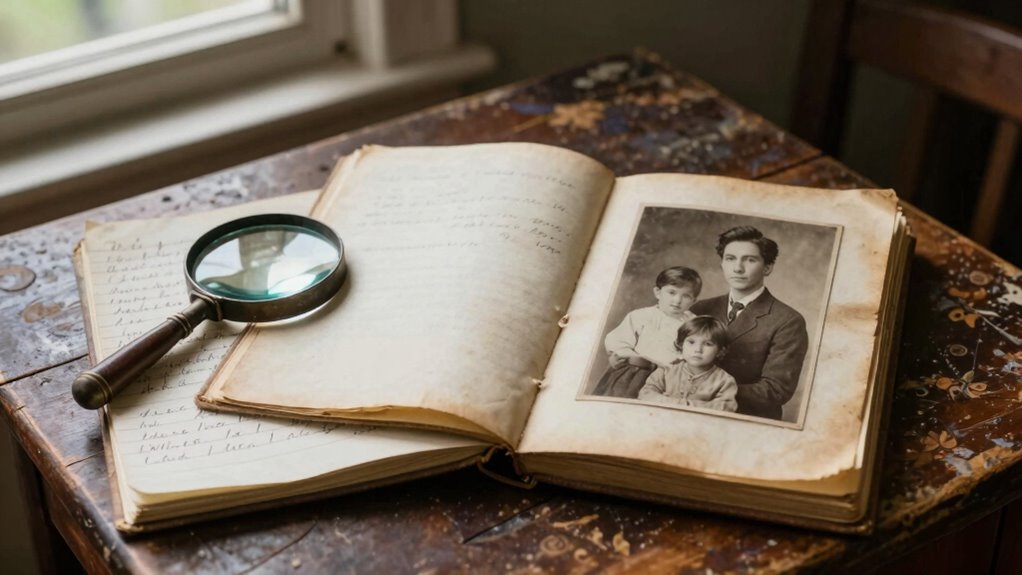
Family historians play a crucial role in uncovering and preserving the truth about our past, but they often face the challenge of balancing accuracy with personal or cultural sensitivities. When you step into the role of the family historian because no one else tells the truth, you quickly realize that your responsibilities extend beyond collecting dates and names. You become the guardian of stories, memories, and sometimes uncomfortable truths. Charting genealogical ethics becomes essential here—you’re tasked with respecting privacy, honoring the living, and presenting information honestly, even when it’s difficult or controversial.
Family historians balance truth with sensitivity, acting as guardians of stories, memories, and sometimes uncomfortable realities.
Oral history accuracy is a critical aspect of your work. Stories passed down through generations are invaluable, but they can also be unreliable or exaggerated over time. Your job is to verify these accounts with documentation whenever possible, but you also understand that some truths are best preserved through personal narratives. Striking a balance between respecting oral histories and maintaining factual integrity requires tact and careful judgment. You might find yourself questioning stories that seem inconsistent, but you choose to approach such discrepancies with sensitivity, understanding that memories are shaped by personal experiences and cultural contexts. Recognizing the importance of historical context can help you interpret these stories more responsibly. Incorporating genealogical ethics ensures your work remains respectful and conscientious. Additionally, being aware of cultural sensitivities can guide you in handling delicate topics with respect and understanding. Recognizing the influence of narrative bias is also vital when evaluating stories, as personal or cultural perspectives can shape how memories are conveyed.
As the family historian, you face the complex task of telling a complete, truthful story without erasing or glossing over uncomfortable details. Sometimes, this means confronting family secrets or challenging long-held beliefs. You realize that honesty can be painful but is necessary for a genuine understanding of your heritage. Your role is not just to document facts but also to interpret them responsibly, ensuring that the stories you tell reflect a nuanced view of your ancestors’ lives. This may involve difficult conversations or delicate negotiations with family members who prefer certain truths remain hidden.
You also recognize that your work influences how future generations perceive their identity. Upholding genealogical ethics means you’re committed to transparency and integrity, even if it complicates your family narrative. You understand that truth-telling isn’t always straightforward; it’s a process that requires compassion, patience, and a willingness to accept complexity. Ultimately, your dedication to accuracy and ethical storytelling helps preserve a legacy rooted in honesty, allowing your family’s history to be as authentic and respectful as possible. In this role, you become more than just a recorder of facts—you become a custodian of truth. Understanding the importance of biodiversity and conservation can remind us of the value of preserving authenticity in all stories we tell.
family history research documentation tools
As an affiliate, we earn on qualifying purchases.
As an affiliate, we earn on qualifying purchases.
Frequently Asked Questions
How Do I Handle Family Secrets I Discover?
When you discover family secrets, handle them with care by respecting genealogical ethics and considering the impact on relatives. Preserve memories thoughtfully, avoiding unnecessary harm or disclosure. Focus on documenting facts accurately while maintaining sensitivity. If needed, discuss findings privately with trusted family members. Remember, your goal is to honor the family’s history without causing unnecessary pain, balancing truth with compassion and preserving the integrity of your genealogical work.
What if Relatives Refuse to Share Certain Stories?
If relatives refuse to share certain stories, respect their boundaries while understanding that family dynamics can be complex. You can gently encourage openness without pressuring them, maintaining emotional boundaries to protect relationships. Focus on what they are willing to share, and document what you do learn. Remember, honoring their wishes helps preserve trust, and over time, they might become more comfortable revealing stories as your role as family historian deepens.
How Can I Verify Conflicting Family Stories?
You can verify conflicting family stories by cross-referencing genealogical sources like census records, birth certificates, and newspaper archives. Always consider oral history accuracy, knowing stories may be embellished or mistaken. Compare different accounts and check official documents to identify consistent details. When discrepancies arise, prioritize written records, but also speak with other relatives to gather multiple perspectives for a clearer, more accurate family history.
Should I Include Controversial Family History Details?
You should consider including controversial family history details carefully, respecting your personal boundaries and the emotional impact on others. Share these truths thoughtfully, acknowledging the potential for discomfort or conflict. Balance honesty with sensitivity, ensuring that you don’t breach privacy or cause unnecessary harm. Emphasize accuracy over sensationalism, and prepare yourself emotionally for reactions. Ultimately, prioritize integrity and compassion as you decide what to include and how to present it.
How Do I Stay Objective When Telling Family Stories?
To stay objective when telling family stories, recognize how memory bias might influence your perspective and be aware of your own emotional reactions. Use narrative framing intentionally, presenting facts without embellishment or judgment. Cross-check stories with other relatives or documents to verify accuracy. By remaining mindful of these biases, you can share a balanced, honest account that respects different viewpoints and preserves the integrity of your family history.
As an affiliate, we earn on qualifying purchases.
Conclusion
As the family historian, you realize your role isn’t just about collecting stories, but uncovering truths others might hide. Sometimes, the stories you find challenge long-held beliefs, forcing you to question what’s been passed down. Embrace this responsibility, knowing your honesty helps preserve genuine history. By digging deeper into the facts, you guarantee future generations get a clearer picture—one rooted in truth, even if it’s uncomfortable. Your dedication keeps the family’s story authentic and meaningful.
genealogical research ethics books
As an affiliate, we earn on qualifying purchases.
As an affiliate, we earn on qualifying purchases.
As an affiliate, we earn on qualifying purchases.