

Humor like teasing, mocking, and ridiculing acts as a powerful way to show social dominance and manipulate hierarchies. When you use these tactics wisely, you signal confidence, intelligence, and control, making others see you as a leader. Good teasing can reinforce your status without crossing boundaries, but misjudged jokes can backfire. Mastering this subtle art boosts your influence—keep going, and you’ll uncover even more about sharpening your social game.
Key Takeaways
- Teasing and mocking serve as strategic signals of social dominance and confidence in social hierarchies.
- Well-executed humor projects intelligence and control, reinforcing perceived social status among peers.
- Using humor to ridicule can establish leadership, but requires skill to avoid damaging relationships.
- Humor acts as a subtle badge of status, influencing others’ perceptions and reinforcing social roles.
- Proper balance in teasing maintains bonds while asserting hierarchy, enhancing charisma and influence.

Have you ever noticed how a quick wit or a hilarious joke can instantly elevate someone’s social standing? It’s not just about making people laugh; it’s about signaling your social dominance through humor. When you crack a clever joke or tease someone just right, you’re engaging in social signaling—sending subtle cues to others about your confidence, intelligence, and position within the social hierarchy. Humor becomes a tool to assert your status, showing you’re quick-minded and comfortable in social settings. It’s a way to stand out, to demonstrate that you’re in control of the social dynamic.
Quick wit and jokes signal confidence and social dominance, helping you stand out and control social dynamics.
Teasing, mocking, and ridiculing aren’t just about entertainment—they’re strategic moves in the game of social dominance. When you tease someone, you’re not only making them laugh or blush but also subtly communicating your superiority, confidence, or familiarity. If done skillfully, it reinforces your role as someone who’s sharp and capable of charting social nuances. People often interpret well-executed teasing as a sign of leadership or high status because it requires social intelligence and timing. When you initiate or participate in playful mockery, you’re signaling that you’re comfortable taking risks and that you’re influential enough to do so without crossing boundaries.
Additionally, understanding the nuances of social signaling can help you employ humor more effectively and responsibly. When you succeed, you project confidence and social prowess, making others look up to you or seek your approval. It’s a subtle dance of social signaling, where every laugh, tease, or sarcastic remark acts as a badge of your social standing.
However, it’s essential to understand the delicate balance involved. When used correctly, humor through teasing or ridiculing can reinforce bonds and establish dominance without alienating others. The key is to read your audience and ensure your jokes land in good spirits, not in hurtful ways. When you succeed, you project confidence and social prowess, making others look up to you or seek your approval. It’s a subtle dance of social signaling, where every laugh, tease, or sarcastic remark acts as a badge of your social standing.
But beware—misjudging this game can backfire. If you cross the line into cruelty or hurtfulness, your attempt at humor can diminish your social dominance and damage relationships. The power lies in knowing when and how to use teasing to elevate your status without crossing into ridicule that isolates or wounds. When you master this, humor becomes a sophisticated tool for charting social hierarchies, asserting your position, and reinforcing your role as someone who’s both funny and commanding. Ultimately, your ability to skillfully employ teasing and mockery can make you more charismatic and influential, setting you apart in any social setting.
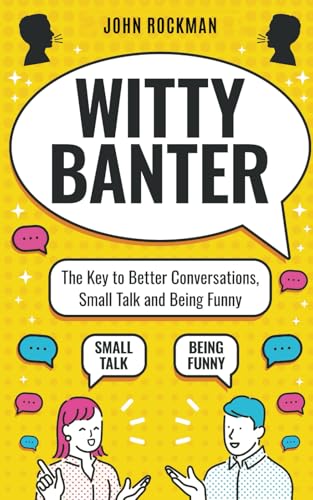
Witty Banter: The Key to Better Conversations, Small Talk and Being Funny
As an affiliate, we earn on qualifying purchases.
As an affiliate, we earn on qualifying purchases.
Frequently Asked Questions
How Does Humor Influence Social Hierarchies Across Cultures?
Humor shapes social hierarchies by reflecting and reinforcing power dynamics within cultures. You might notice that teasing or mocking certain individuals can elevate others or establish dominance, depending on cultural norms. In some societies, humor is a tool to assert status, while in others, it fosters camaraderie. By understanding these norms, you can see how humor either maintains or challenges existing social structures across different cultures.
Can Teasing Be Harmful Despite Its Status-Enhancing Effects?
Teasing can be harmful even if it boosts status, as it leaves an emotional impact that lingers like a shadow. You might see laughter and camaraderie, but beneath lies the risk of crossing social boundaries, causing discomfort or hurt. When you tease, you’re walking a tightrope—what seems playful to you could wound someone deeply, reminding you that humor’s power can easily turn from bonding to damaging.
What Role Does Context Play in Interpreting Teasing and Ridicule?
Context plays a vital role in interpreting teasing and ridicule because cultural nuances and situational cues guide how you perceive the intent. When you recognize the subtle signals and cultural background, you can distinguish playful banter from hurtful mockery. Without paying attention to these cues, you might misjudge the humor, leading to misunderstandings or harm. So, always consider the environment and cultural context to interpret teasing accurately.
Are There Gender Differences in Using Humor for Status?
Yes, gender norms and social expectations influence how you use humor for status. Men often employ teasing and mocking to assert dominance or camaraderie, aligning with traditional masculinity. Women, meanwhile, might use humor more subtly or empathetically, reflecting societal expectations for relational harmony. These differences shape how humor functions in social hierarchies, affecting who feels comfortable teasing or being teased, and how humor reinforces or challenges gender roles.
How Does the Perception of Humor Change With Age?
Imagine humor as a river flowing through life’s landscape. As you age, the currents shift, and so do your perceptions. Age-related humor shifts from playful teasing to more mature, nuanced jokes. You start valuing wit over mockery, recognizing the power of empathy. Maturity teaches you that teasing can be lighthearted or hurtful, so you choose your words carefully, understanding that humor’s role in social status evolves with your growing wisdom.
teasing and humor guide for social influence
As an affiliate, we earn on qualifying purchases.
As an affiliate, we earn on qualifying purchases.
Conclusion
Remember, when you tease or mock, you’re not just playing; you’re weaving your own story into the fabric of social hierarchy. Humor acts like a mirror, reflecting power and status, but beware—what shines today can fade tomorrow like a fleeting shadow. Use your words wisely, for they’re the brushstrokes that paint your place in the social canvas. In the end, humor is your compass—guiding you through the maze of human connection, revealing who truly stands tall.

Introduction to Social Work & Social Welfare: Critical Thinking Perspectives
- Condition: Used Book in Good Condition
As an affiliate, we earn on qualifying purchases.
As an affiliate, we earn on qualifying purchases.

Breaking Barriers Down – Social Skills Games and Therapy Games, A Feelings Game for Kids that Develops Emotion Regulation and Explores Anger, Sadness, Fear and Joy
- Designed for Emotional Growth: Suitable for therapy, school, and home use
- Encourages Open Family Conversations: Facilitates discussions on emotions and relationships
- Contains 208 Thought-Provoking Questions: Explores a wide range of feelings and emotions
As an affiliate, we earn on qualifying purchases.
As an affiliate, we earn on qualifying purchases.