
The majority illusion happens when a few loud voices or visible minorities make it seem like many people share their views or behaviors. Social networks, algorithms, and viral content amplify these voices, skewing your perception of what’s normal or popular. This can lead you to overestimate support for certain ideas or trends. If you want to understand how this illusion influences your perceptions and decisions, you’ll find useful insights as you explore further.
Key Takeaways
- A few loud voices or visible minorities can distort perception, making them seem like the majority due to frequent exposure and amplification.
- Social networks and algorithms favor popular content and outspoken individuals, creating an illusion of widespread support.
- Viral content and echo chambers reinforce perceived consensus, even when actual support is limited or minority.
- Perception bias from visible cues and selective amplification causes individuals to overestimate how common certain opinions or behaviors are.
- Critical thinking and evidence-based evaluation are essential to distinguish perceived popularity from true majority support.
Why Understanding the Majority Illusion Matters

Understanding the majority illusion is essential because it influences how you perceive social norms and behaviors around you. When you see many people seemingly sharing the same opinions or actions, you might assume those views are universally accepted, even if they aren’t. This perception fuels groupthink conformity, where individuals align with perceived majority opinions to fit in. Social validation plays a significant role here; you might adopt certain behaviors or beliefs simply because you want approval or acceptance. Recognizing this illusion helps you question whether what you see reflects true consensus or just the loudest voices. Additionally, awareness of perceptions of popularity and their effects can help you better understand how perceptions of quality and popularity are shaped by marketing and reviews, rather than actual widespread use. By understanding these dynamics, you can avoid being swayed by false social proof and maintain a clearer perspective on what’s genuinely popular or accepted. Being aware of the minority influence phenomenon can further empower you to think independently and resist undue peer pressure. Recognizing how social proof can be manipulated allows you to develop a more critical approach to online reviews and endorsements, especially since support breakfast options are often marketed heavily to create the perception of widespread approval.
What Is the Majority Illusion?

The majority illusion happens when you believe a behavior or opinion is widespread because you see it frequently among your connections. Social networks can make a minority seem like the majority, skewing your perception of popularity. As a result, you might misjudge how many people actually share that view or action. Understanding information sharing patterns can help you recognize when your perceptions are influenced by social network dynamics. Additionally, the frequency of exposure to certain behaviors or opinions can amplify this illusion, leading you to overestimate their prevalence. Recognizing these social influence effects can aid in making more accurate judgments about what most people think or do.
Perception of Popularity
You might assume that if you see many people doing something, it truly reflects the majority opinion. However, perceived popularity can be misleading due to the majority illusion. A few loud voices or visible behaviors can create a false sense of social influence, making you believe these actions are widespread. This perception shapes your view of what’s normal or accepted, even if the actual majority isn’t participating. To visualize this, consider the table:
| Group A | Group B | Group C |
|---|---|---|
| 10 people | 50 people | 100 people |
| 5% perceived | 25% perceived | 50% perceived |
| Low visibility | Moderate visibility | High visibility |
| Perceived as majority | Slight overestimate | True majority |
This illustrates how perceived popularity can distort reality, influencing your sense of social norms. Additionally, understanding majority illusion can help you critically evaluate social cues and avoid being misled by false perceptions. Recognizing the role of social influence in shaping perceptions is crucial for developing a more accurate understanding of what the majority actually believes or does.
Influence of Social Networks
Social networks amplify the majority illusion by creating a distorted perception of what most people believe or do. They magnify social influence through complex network dynamics, making minority opinions appear more widespread than they truly are. This occurs because information spreads unevenly, often through highly connected individuals who can sway perceptions. Additionally, information dissemination often favors certain voices, leading to skewed perceptions of consensus. As a result, you might overestimate how common certain behaviors or beliefs are, simply because those voices are louder. Key factors include:
- Central nodes wield outsized influence
- Echo chambers reinforce shared views
- Viral content skews perception of popularity
- Homophily fosters uniform opinions
- Repeated exposure boosts perceived consensus
Understanding the role of media literacy can help you critically evaluate the information you encounter online and recognize when perceptions are artificially amplified. Recognizing network effects can further help you decode how opinions are shaped and amplified within social platforms, especially when considering the psychological biases that influence perception. Being aware of these social dynamics can help you develop a more accurate understanding of what most people actually believe or do.
Misjudging Majority Size
Misjudging the size of the majority happens when your perception of what most people believe or do is distorted by social influence. This perception bias makes you believe that a behavior or opinion is more common than it actually is because of the loud voices or visible cues you observe. Noise distortion further skews this view, introducing random fluctuations that exaggerate the prevalence of certain beliefs. As a result, you may overestimate how many people share your views or engage in specific behaviors, assuming they reflect a broader consensus. This misjudgment feeds into the majority illusion, causing you to think that a particular opinion is widespread, even if only a minority actually holds it. Recognizing this distortion helps you better gauge true social norms and avoid being misled by perceived consensus. Understanding phenomena like the major Haute Couture movement illustrates how influential visible cues can be in shaping perceptions of popularity and trends. Additionally, awareness of social influence can help mitigate the effects of this illusion and promote more accurate perceptions of societal norms. Being aware of the confirmation bias can also help you question whether your perceptions are being reinforced by selective exposure to similar opinions, which can be amplified by groupthink or social conformity pressures. Furthermore, understanding the role of Noise distortion can assist in recognizing how random fluctuations impact perceived popularity, especially in rapidly changing social environments.
How Do A Few Voices Make It Seem Like Many Support an Idea?
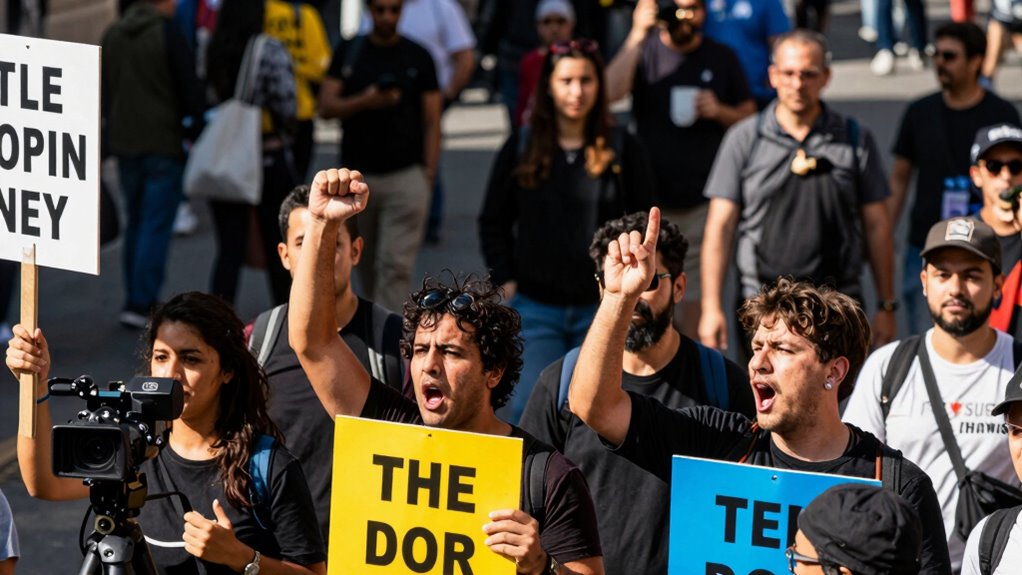
You might notice how a few people on social networks can make an idea seem widely supported. When their voices are amplified, the perception of consensus grows, even if many don’t agree. Sometimes, outliers influence the majority, skewing what you believe most people think.
Social Networks Amplify Voices
When a few voices dominate online discussions, it can create the illusion that their opinions are shared by many. Social networks amplify these voices through algorithms that prioritize viral content, making them appear more widespread than they are. This effect is fueled by online echo chambers, where similar ideas reinforce each other, skewing perceptions. As a result, a small group’s opinion can seem like a majority view. To understand this, consider how:
- Algorithms boost popular posts, increasing visibility.
- Viral content spreads rapidly, reaching large audiences.
- Online echo chambers limit exposure to diverse perspectives.
- Influencers or outspoken users amplify certain viewpoints.
- These factors distort perception, making minority opinions seem like a majority.
This process tricks you into believing that a few loud voices represent the common consensus.
Perception of Consensus Grows
Online platforms often give the impression that certain opinions have widespread support, even if only a small number of voices are actively promoting them. This occurs because perception bias leads us to believe that visible voices reflect broader consensus. Social influence plays a key role here; when we see many people endorsing an idea, we tend to assume it’s more popular than it actually is. As a result, the perception of consensus grows, shaping our attitudes and behaviors. Even if only a few individuals are vocal, their visibility can create the illusion that many share their views. This dynamic reinforces the idea that a minority’s opinion is actually a majority, making it feel more legitimate and widely accepted than it truly is.
Outliers Influence Majority
A small number of vocal outliers can create the illusion that their opinions are widely shared. This outlier influence skews perception, leading you to believe many support a view when only a few do. The perception distortion amplifies their voice, making it seem more common than it truly is. You might think a belief is mainstream because of prominent voices, but in reality, it’s held by a minority. Factors contributing to this include:
- Selective amplification of outliers’ opinions
- Social media algorithms favoring extreme views
- The bandwagon effect encouraging imitation
- Echo chambers reinforcing vocal minorities
- Cognitive biases overestimating minority influence
- The yardage required for different yarn weights can also contribute to misconceptions about what constitutes a suitable amount for various projects. Additionally, the minority influence phenomenon demonstrates how small groups can sway larger audiences under certain conditions. Recognizing the Majority Illusion helps you see beyond the loudest voices, understanding that outliers often distort the true majority opinion. Being aware of perception biases allows for a more accurate assessment of societal trends and opinions.
How Social Networks Amplify the Majority Illusion
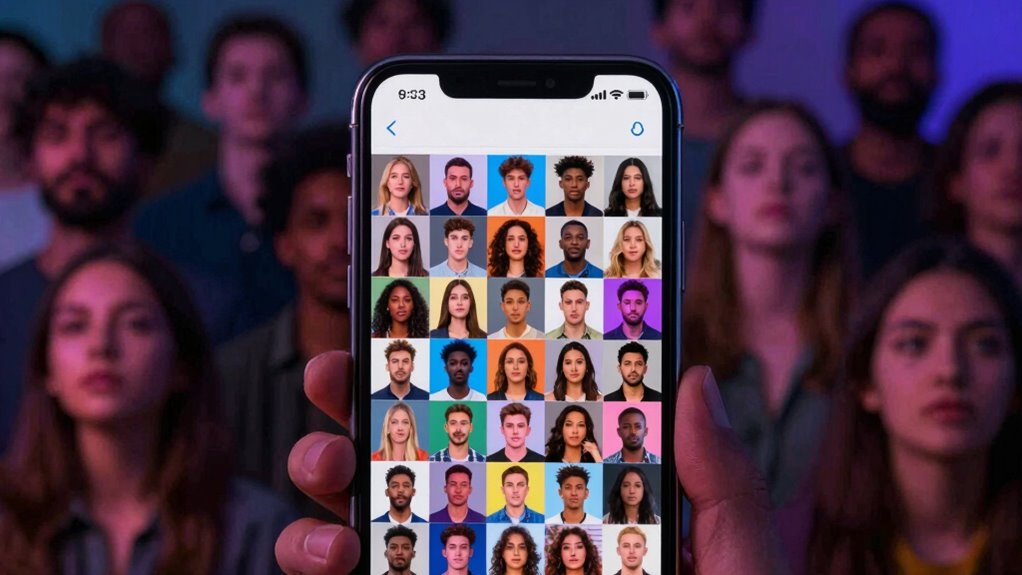
Social networks play a powerful role in amplifying the majority illusion, making it seem like a belief or behavior is more widespread than it truly is. They do this through viral content that spreads rapidly, reinforcing certain ideas within echo chambers. When you see a large number of people endorsing something online, it feels like a consensus, even if only a small group is truly active. This illusion is fueled by algorithms prioritizing engaging content, which often amplifies loud voices. As a result, you might believe a controversial opinion is mainstream. To illustrate, consider the following:
| Content Type | Reach | Effect on Perception |
|---|---|---|
| Viral content | Rapid spread | Inflates popularity |
| Echo chambers | Reinforces ideas | Skews perception |
| Influencers | Large audiences | Shapes majority views |
| Outliers | Limited exposure | Underrepresented voices |
This dynamic makes the majority illusion even more convincing. Recognizing confirmation bias can help you critically assess the accuracy of the information you encounter online. Additionally, understanding how algorithmic amplification influences what content reaches you can empower you to seek diverse perspectives and avoid being misled.
Real-World Examples of the Majority Illusion in Social Media and Daily Life
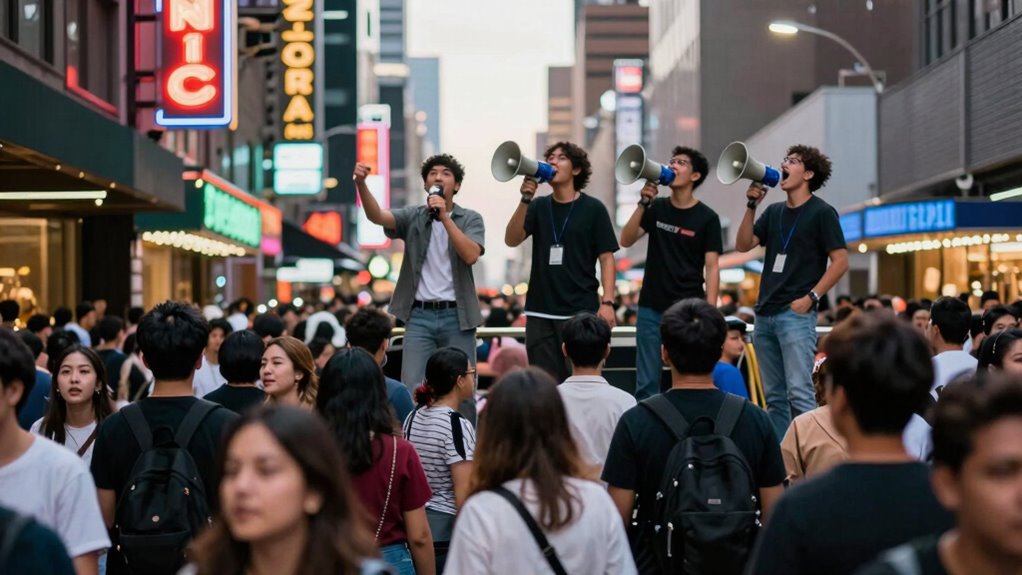
The way the majority illusion manifests isn’t just a phenomenon on screens; it shapes perceptions in everyday life as well. You may see it in viral trends that seem to dominate conversations, giving the impression that everyone supports or participates in them. Online echo chambers amplify this illusion, where exposure to similar opinions makes certain behaviors or beliefs appear universal. In daily life, you might notice how a small group’s strong opinions influence broader community attitudes, even if most people disagree privately. This illusion influences your perception of what’s popular or accepted, driven by the following:
- Viral trends spreading rapidly across social platforms
- Online echo chambers reinforcing specific viewpoints
- Influencers amplifying minority opinions into perceived majorities
- Local social circles mirroring online behaviors
- Headlines and memes distorting perceived consensus
How the Illusion Shapes Our Perceptions, Decisions, and Public Opinion

Because the majority illusion makes certain opinions or behaviors appear more widespread than they truly are, it profoundly influences your perceptions of what’s normal or accepted. This distortion fuels groupthink dynamics, where you might conform to popular beliefs without questioning them, believing they reflect the majority’s view. As a result, your decisions and opinions become shaped by perceived consensus rather than independent judgment. The illusion also amplifies biases, making you more likely to dismiss alternative perspectives and reinforce existing stereotypes. Over time, this creates a feedback loop that skews public opinion, making minority views seem less valid or less common than they actually are. Ultimately, the majority illusion guides your perceptions, decisions, and societal attitudes, often without your awareness.
How to Recognize and Counteract the Majority Illusion
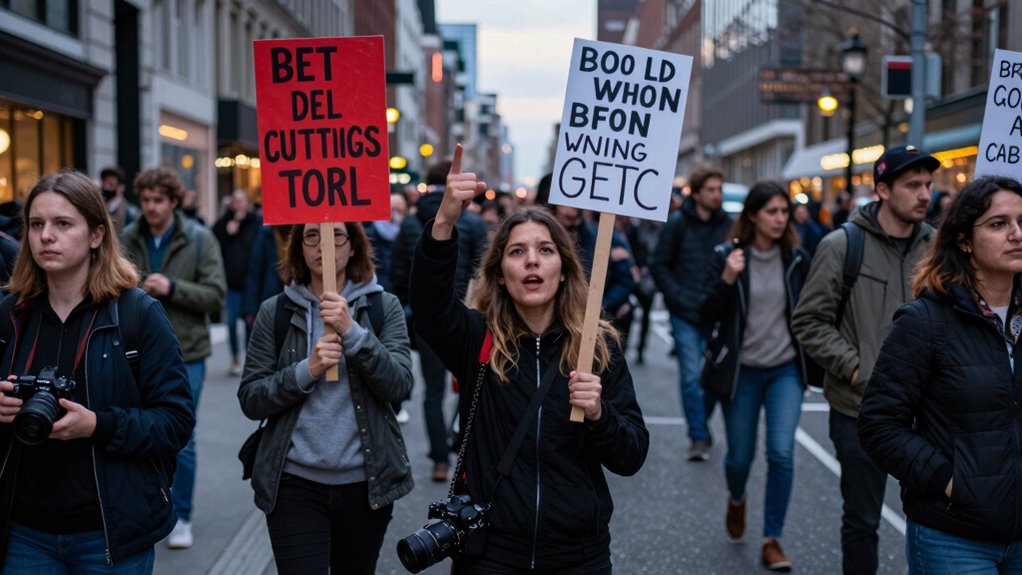
To recognize the majority illusion, start by questioning whether the opinions or behaviors you see are truly representative or just appear widespread due to skewed perceptions. Perception bias often inflates the visibility of certain views, making them seem more common than they are. To counteract this, you can:
Question whether widespread opinions are truly representative or just a perception illusion.
- Seek out diverse sources and perspectives
- Question whether your social circle reflects the broader population
- Watch for signs of social conformity influencing your judgments
- Use data or surveys to gauge actual prevalence of opinions
- Reflect on whether your perceptions are shaped by vocal minorities or media amplification
The Impact of the Majority Illusion on Trends and Public Beliefs

When perceptions of widespread support or dissent are influenced by the majority illusion, they can substantially shape trends and public beliefs. This perception bias makes you believe that certain opinions or behaviors are more common than they really are, driven by social influence. As a result, you might adopt beliefs or participate in trends simply because you think everyone else does, even if that’s not true. This skewed view can amplify specific ideas, making them seem more popular and accepted. Over time, it fuels social conformity and reinforces false consensus, which can distort public discourse. Recognizing how the majority illusion manipulates perception bias helps you understand that trends aren’t always reflective of actual widespread support, emphasizing the importance of critical thinking in evaluating social influence.
Frequently Asked Questions
Can the Majority Illusion Influence Political Elections?
Yes, the majority illusion can influence your voting behavior by creating perception distortion. When you see certain opinions or behaviors repeatedly expressed by loud voices, you might believe they represent the majority, even if they don’t. This false perception can sway your choices, making you more likely to support popular but minority views. Recognizing this illusion helps you make more informed decisions, free from the pressure of perceived social conformity.
How Does the Majority Illusion Affect Minority Groups?
Like Icarus soaring too close to the sun, you might feel that your minority views are invisible due to perception bias. The majority illusion can make it seem like social conformity sways everyone, silencing minority groups. This distortion discourages participation and fosters feelings of isolation. Recognizing this illusion helps you understand that your voice matters, and breaking free from it can empower minority voices to challenge the false consensus.
What Role Do Social Media Algorithms Play in Amplifying the Illusion?
Social media algorithms amplify the illusion by creating filter bubbles and echo chambers. They prioritize content that matches your interests, making you see only one side of an issue. This narrows your perspective and makes it seem like certain opinions or behaviors are more common than they actually are. As a result, you might believe a minority view is widely held, reinforcing the majority illusion and skewing your perception of reality.
Are There Psychological Traits That Make Individuals More Susceptible?
You might be like a mirror, easily reflecting the world around you. Your perception biases and desire for social conformity make you more vulnerable to the majority illusion. When you crave acceptance, you tend to overestimate how many share your views, amplifying the illusion. Traits like conformity, low self-esteem, or uncertainty can heighten this susceptibility, causing you to believe the loudest voices speak for everyone.
How Can Educators Teach Awareness of the Majority Illusion?
You can teach awareness of the majority illusion by helping students recognize perception distortion and bias. Encourage critical thinking through discussions and exercises that examine how loud voices skew perception. Use real-world examples to highlight bias recognition, showing that popular opinions might not reflect actual majority views. Foster an environment where students question assumptions, helping them see beyond surface appearances and understand how a few voices can create false impressions of consensus.
Conclusion
Now that you see how a few loud voices can distort your perception, ask yourself—what else might you be missing? The majority illusion influences your beliefs and decisions more than you realize, shaping the world around you. But awareness is your best tool. Will you continue to be swayed by the illusion, or will you uncover the truth behind the noise? The choice is yours—what’s next could change everything.